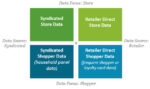

CPG Data Tip Sheet focuses on education and best practices for analyzing syndicated retail sales data from IRI and Nielsen (and SPINS for those of you in the Natural/Organic sector). But syndicated data is not the only type of CPG data you’ll encounter. In fact, it’s not even the only type of retail sales data! […]

Discount: The Often-Overlooked Pricing Measure
In this post I’ll explain why discount is an important element of your pricing-trade strategy and the correct way to calculate it. (You may want to review these previous posts before continuing: retail pricing in general, base price and trade merchandising measurement.) We’re all familiar with discounts – everybody likes to get things “on sale.” […]
How to Build an Argument for Increased Retail Distribution
Over the last year, we’ve written lots of articles showing you how to use key IRI/Nielsen measures. In this post, I’ll pull together several of those lessons in a step-by-step mini case study. The goal of this analysis is a common one: convince a retailer to increase the number of varieties for our target […]
Promoted Price: It Pays to Look Deeper
Trade spending is a huge/the biggest item in the budget for [almost] all consumer packaged goods brands. As explained in this previous post, all those trade dollars go towards reducing your retail price and, sometimes, gaining feature and/or display support. But how do you know the real price that shoppers are paying for your product […]
Velocity: How Well Your Product REALLY Sells
Velocity questions have dominated the CPG Data Tip Sheet inbox this month, with a number of readers posting comments or writing with questions about this important measure. So we decided it’s time to turn our attention to what is, after all, the third most important measure in your database. Why is velocity the #3 […]
Price per What: Avoid Comparing Apples and Oranges
As mentioned in this earlier post, you may be able to choose from over 200 different pricing facts on your database! One of the reasons there are so many price measures is because all of them are available for price per unit AND price per volume. Price per unit is the retail price paid per […]